TOWARD ZERO WASTE
We promote the circular economy and waste reduction across the value chain by implementing packaging improvements, efficient operations, and reducing food and water waste.
Extended content available here
We design packaging, prioritizing recyclability and reducing the amount of material used from the design stage onward. In addition, we are moving toward the use of alternative raw materials to virgin plastic to contribute to reducing our environmental impact.
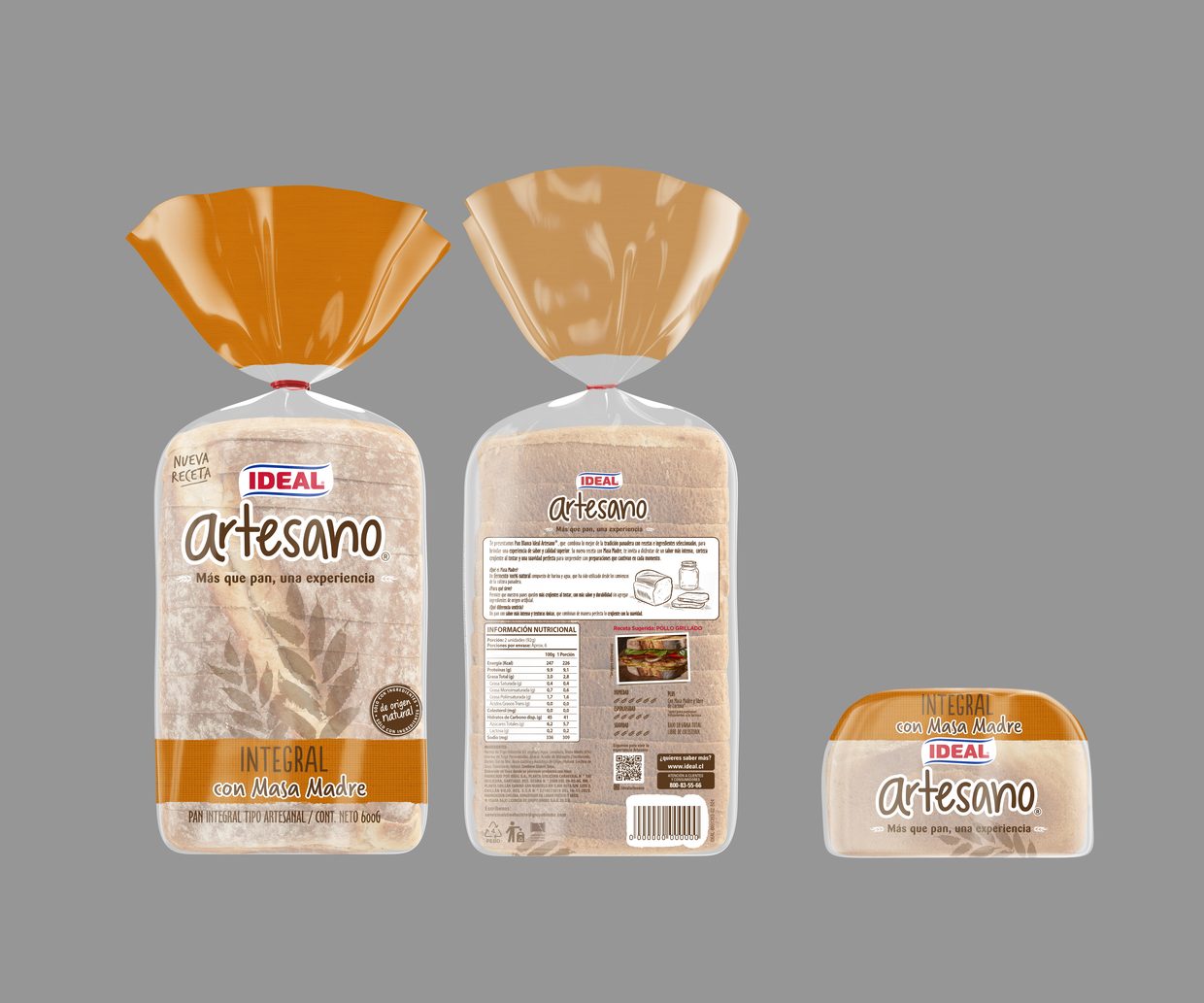
- Reducing the use of virgin fossil-based plastic: We are committed to reducing the use of virgin plastic in our packaging.
- Material optimization: We work to make our packaging lighter and more efficient.
- Sustainable by Design: We promote more sustainable packaging through design from the outset and the redesign of existing packaging.
- Incorporating recycled materials into packaging: We incorporate recycled materials into our packaging to give them a second life.
- Strategic partnerships and material reuse: We collaborate with partners and suppliers to recover and reuse materials such as plastics and pallets.
- Innovation for the circular economy: We promote technologies that transform waste into new raw materials.
- Waste Collection: We provide collection points and partner with organizations to recover packaging and materials after use.
- Education and Awareness: We promote responsible waste separation and recycling in our communities through educational programs.
Extended content available here
We are committed to reducing food waste by optimizing processes, training our team, and strengthening our supply chain. We collect, analyze, and report waste data across four key nodes in our value chain: manufacturing, logistics, sales centers, and sales. Each node has dedicated leaders who adapt overarching strategies into specific operational actions.

We partner with organizations and platforms to give food a second chance, primarily food banks or startups dedicated to collecting, redistributing, and utilizing food that is still in good condition. In this way, we expand our reach and redistribute products to vulnerable communities at affordable prices or for free, preventing them from ending up in the trash.
Extended content available here
As part of our sustainability strategy, we manage water using a comprehensive approach that prioritizes efficiency and emphasizes environmental responsibility in the use of this resource within the communities where we operate.
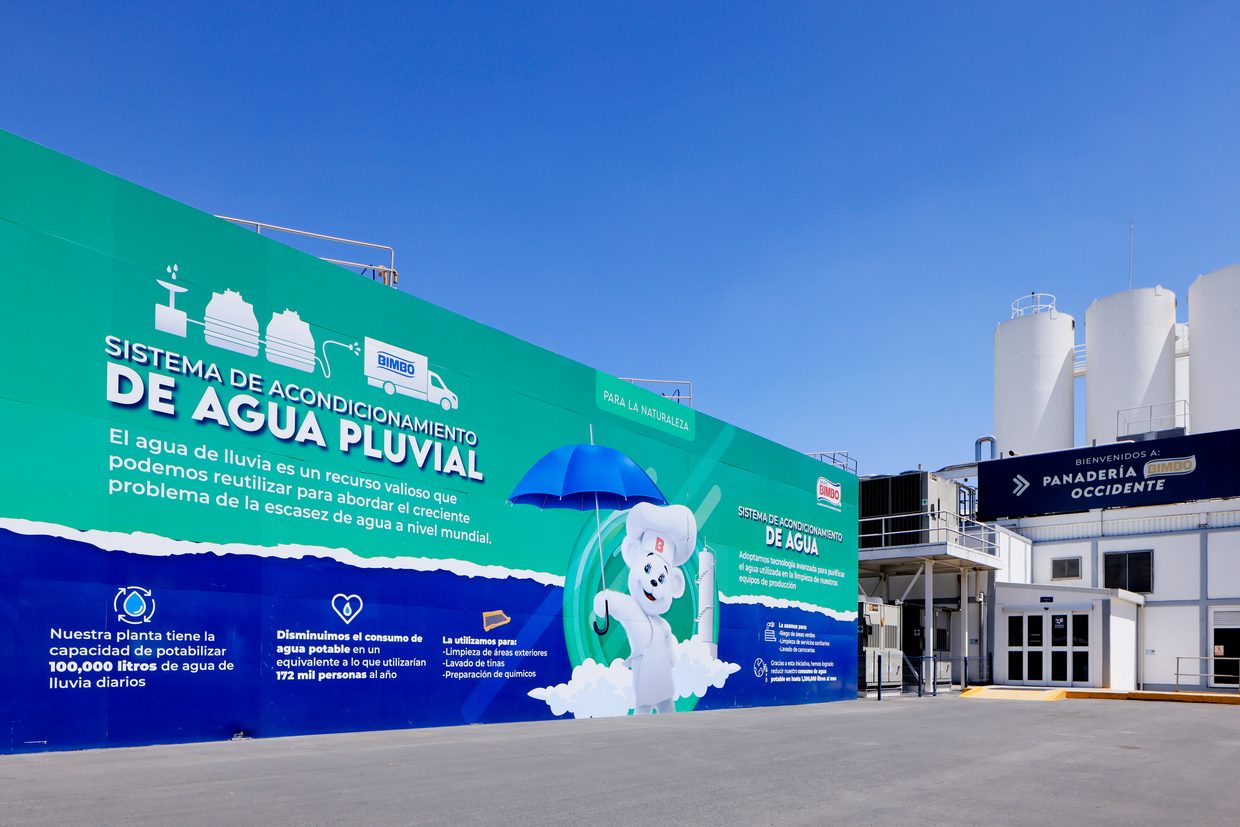
We focus on three main areas to ensure responsible water use as a shared resource: reducing water consumption, water circularity, treatment and reuse, and mitigating water-related risks.
- Reducing water consumption: We strive to be water-efficient operators at all our work sites.
- Reuse and utilization of treated water: It is essential for us to ensure that the water used in our operations undergoes a treatment process for reuse, whether through internal or external water treatment.
- Water Risk Mitigation: Through our water risk analysis, we have identified the work sites and agricultural sites most at risk of water stress. Using this information, we have developed our Water Mitigation Plan.