Extended content available here
Sustainable Sourcing of Raw Materials
Our Global Agriculture Policy reaffirms our commitment to supporting and promoting sustainable agricultural practices. Its objectives include strengthening economic, environmental, and social resilience, as well as ensuring the traceability of key raw materials by prioritizing critical ingredients based on their environmental and social impact.
At Grupo Bimbo, our Supplier Code of Conduct guides our business relationships and promotes responsible practices, which are complemented by sustainability awareness sessions we conduct with leading suppliers in key ingredient categories. We also offer grievance mechanisms to keep an open dialogue and further strengthen our way of work and processes.
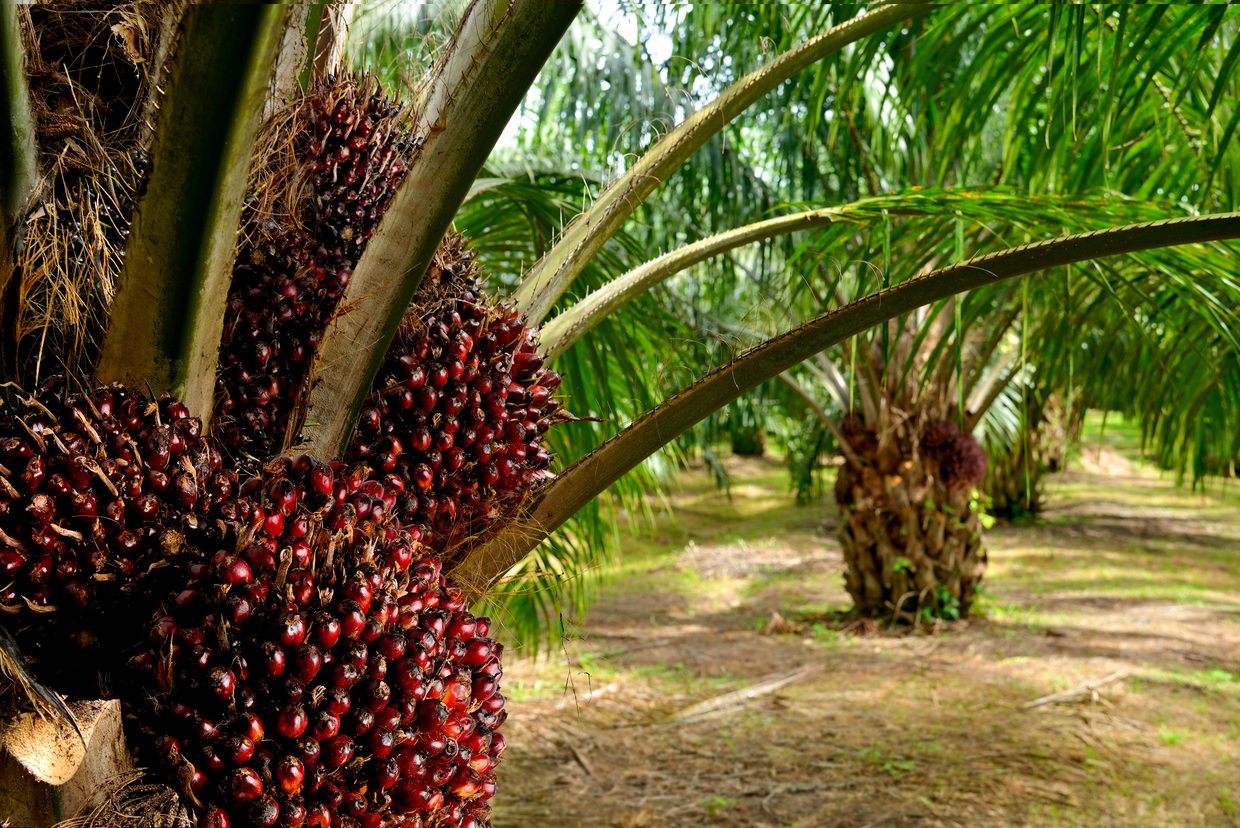
Our approach to sustainable palm oil sourcing is based on traceability, monitoring, and collaboration with suppliers to support our deforestation-free sourcing goals. Using satellite tools such as Starling, we verify areas of origin and strengthen evidence-based actions. We complement these efforts with supplier training and evaluation, the implementation of on-the-ground transformation initiatives, and compliance with international standards such as the RSPO, from which we source 100% of our certified volume under the Book & Claim and Mass Balance schemes. Additionally, we promote projects to strengthen community resilience and support smallholder farmers in key regions.
For soy, our focus is on strengthening supply chain traceability and transparency, even though the industry faces challenges regarding the availability of information at the farm level. We maintain constant monitoring of regions of origin and drive improvements through our participation in the Consumer Goods Forum’s Forest Positive Coalition, where we collaborate to accelerate the adoption of common standards. With a long-term strategy, we continue to work with suppliers to align expectations, promote responsible practices, and incorporate control mechanisms that enable the development of a more robust traceability system.

We are driving social transformation by collaborating directly with sugar mills and farming communities. We have conducted an in-depth analysis of labor practices through interviews and on-site assessments, which enabled us to develop and formalize responsible recruitment procedures. These include clear processes for selecting and appointing foremen and supervisors, ensuring transparency, proper documentation, and compliance with our human rights standards. This approach of active listening and joint development will allow us to scale these lessons to other sugar mills and strengthen worker protection throughout the supply chain.

For paper and cardboard, we work to eliminate deforestation risks by prioritizing recycled and/or certified materials, while establishing a rigorous supplier evaluation process. Over the past three years, we have updated 90% of our suppliers and achieved nearly 99% compliance with environmental and social criteria, integrating these validations as an essential part of our due diligence in procurement processes. This approach allows us to accelerate the transition toward more responsible materials without compromising business profitability.